The Ultimate Guide to Roof Maintenance
Maintaining your roof is essential to ensure the longevity and safety of your home. Regular upkeep not only preserves your roof’s appearance but also prevents costly repairs in the future. As a responsible homeowner, partnering with a professional roofing contractor ensures that your roof remains in peak condition year-round. In this comprehensive guide, we’ll explore effective roofing maintenance tips to help you keep your roof in optimal condition.
1. Conduct Regular Roof Inspections
Performing routine inspections allows you to identify and address minor issues before they escalate. It’s advisable to inspect your roof at least twice a year, preferably in the spring and fall. Look for signs such as:
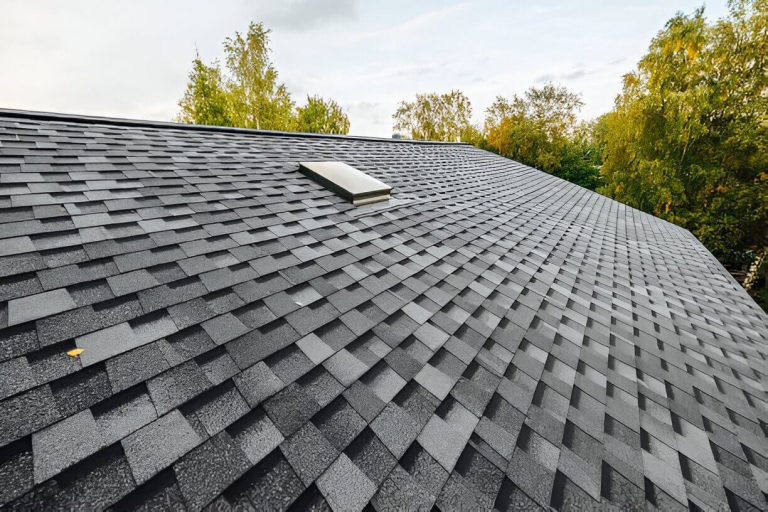
- Damaged or Missing Shingles – Cracked, curled, or absent Asphalt shingles can expose your roof to water infiltration, leading to leaks and structural damage. If left unaddressed, missing shingles can compromise the roof’s underlayment and insulation.
- Granule Loss – If you notice excessive granules in your gutters, it may indicate that your shingles are deteriorating. Granules protect shingles from UV rays, so their loss can accelerate wear and tear.
- Sagging Areas – A roof with noticeable sagging or dips may indicate structural problems, such as weakened decking or compromised support beams.
If you’re uncomfortable performing inspections yourself, consider hiring a professional roofing contractor for a thorough assessment. Schedule a professional inspection to ensure your roof remains in excellent condition.
2. Keep Gutters Clean and Functional
Clogged gutters can lead to water accumulation, which may damage your roof and home’s foundation. Regularly cleaning your gutters ensures proper water drainage and prevents leaks. Follow these steps:
- Clear debris regularly – Remove leaves, twigs, and dirt from gutters at least twice a year, especially after storms.
- Check for leaks and damage – Inspect gutters and downspouts for cracks or separations that could lead to improper water drainage.
- Install gutter guards – These devices help prevent debris from accumulating, reducing the need for frequent cleanings.
3. Trim Overhanging Tree Branches
Trees with branches extending over your roof can pose several risks:
- Physical Damage – Strong winds or storms can cause branches to snap, potentially puncturing the roof and damaging shingles.
- Debris Accumulation – Fallen leaves and twigs can clog gutters and trap moisture, leading to mold growth and rot.
- Pest Infestation – Overhanging branches provide easy access for rodents, squirrels, and insects to enter your attic and cause damage.
Regularly trimming these branches helps prevent potential damage and maintains your roof’s integrity.
4. Address Moss and Algae Growth
Moss and algae can trap moisture, leading to shingle deterioration. To manage this:
- Cleaning – Use a gentle cleaning solution specifically designed for roofs, and avoid using a pressure washer, as it can damage shingles.
- Preventive Measures – Installing zinc or copper strips along the ridge of your roof can prevent future growth by releasing natural biocides.
- Improve Drainage – Ensure that water flows off the roof properly by keeping gutters and downspouts clear of debris.
Regular maintenance can prevent these organisms from compromising your roof’s lifespan.
5. Ensure Proper Attic Ventilation
Adequate ventilation regulates temperature and moisture levels in your attic, preventing issues such as:
- Ice Dams – In winter, uneven attic temperatures can cause snow to melt and refreeze at the roof’s edges, leading to damaging ice dams.
- Mold Growth – Excess humidity can cause mold and mildew to form, potentially leading to health issues and weakened roof materials.
- Shingle Damage – Poor ventilation can cause shingles to age prematurely due to excessive heat buildup in the attic.
Consulting a roofing professional can help assess and improve your attic’s ventilation system.
6. Repair Flashing and Sealants
Flashing around chimneys, vents, and skylights prevents water intrusion. Over time, flashing and sealants can deteriorate, leading to leaks. To maintain watertight seals:
- Inspect Flashing Annually – Look for rust, gaps, or warping around key areas where water could seep in.
- Replace Cracked Sealants – Use high-quality roofing caulk to reseal areas where old sealant has deteriorated.
- Check for Loose Fasteners – Screws and nails holding flashing in place can loosen over time due to temperature fluctuations.
7. Remove Debris Promptly
Accumulated debris, such as leaves and branches, can trap moisture and cause roof decay. Regularly clearing your roof of debris helps prevent water damage and extends its lifespan.
- Use a Leaf Blower or Broom – Safely remove debris without damaging shingles.
- Clear Valleys and Low Points – These areas tend to accumulate the most debris, increasing the risk of water pooling.
- Check After Storms – Strong winds can bring additional debris onto your roof, so always inspect it after severe weather.
8. Address Ice and Snow Buildup
In colder climates, ice and snow accumulation can lead to ice dams, causing water to seep under shingles. To mitigate this:
- Snow Removal – Use a roof rake to safely remove excess snow before it builds up too much weight.
- Improve Insulation – A properly insulated attic helps maintain an even roof temperature, reducing the risk of ice dams.
- Install Heat Cables – These can be placed along roof edges to prevent ice formation in high-risk areas.
Taking these steps can prevent moisture-related damage during the winter months.
9. Schedule Professional Roof Inspections
While regular self-inspections are valuable, having a professional assess your roof periodically provides:
- Expert Insight – Professionals can identify subtle issues that may be overlooked by homeowners.
- Preventive Maintenance – Early detection of problems allows for timely repairs, saving costs in the long run.
- Structural Integrity Checks – Ensure that your roof is structurally sound, especially before and after storm seasons.
Consider scheduling professional roof inspections annually or after significant weather events.
10. Understand When to Repair or Replace
Recognizing when to repair or replace your roof is crucial:
- Repairs – Suitable for minor damages, such as replacing a few missing shingles or fixing a localized leak.
- Replacement – Necessary when the roof has extensive damage, has reached the end of its lifespan, or suffers from persistent issues despite repairs.
Consulting with a trusted roofing contractor can help determine the best course of action. Learn about roof replacement.
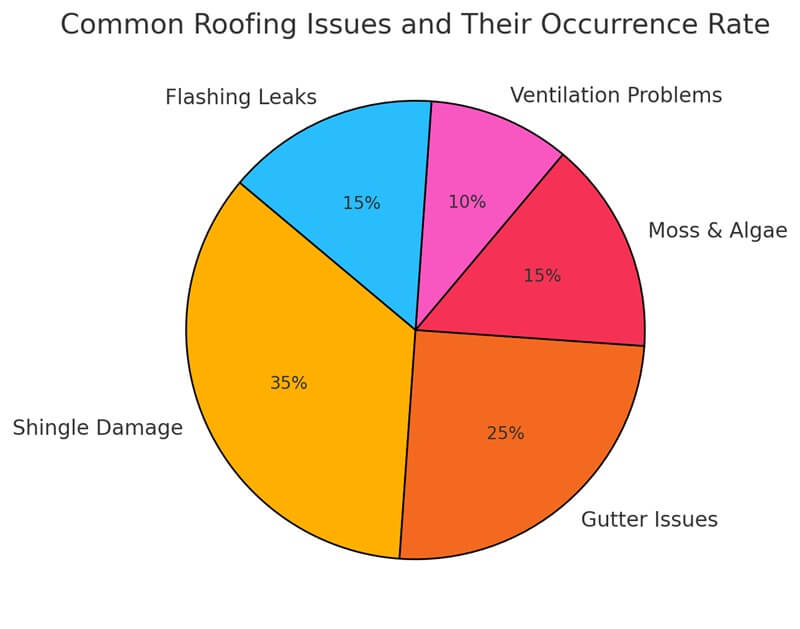
Common Roofing Issues and Their Occurrence Rate
This pie chart illustrates the most frequent roofing issues homeowners face and their estimated occurrence rates. Shingle damage is the most common problem, accounting for 35% of cases, followed by gutter issues (25%), which can lead to water damage and structural concerns. Moss and algae growth (15%) contribute to roof deterioration, while ventilation problems (10%) often lead to moisture-related issues and premature aging of roofing materials. Lastly, flashing leaks (15%) can cause water infiltration around chimneys, vents, and skylights. Regular roof inspections and maintenance can help mitigate these issues before they require costly repairs.
Conclusion
Proactive roof maintenance is vital for protecting your home and ensuring your roof’s longevity. By following these tips, you can address potential issues early and maintain the structural integrity of your roof. For professional assistance, consider reaching out to Right Now Roofing, your trusted partner in roofing services.