Selecting the appropriate roofing material is crucial for the longevity, aesthetics, and functionality of your home. Consulting with a professional roofing contractor can help you navigate the numerous options available and ensure you choose a material that meets your specific needs. With various materials on the market, it’s essential to understand the benefits and drawbacks of each to make an informed decision. This guide delves into different roofing materials, helping you determine the best fit for your home.
Factors to Consider When Choosing Roofing Materials
Before exploring specific materials, consider the following factors:
- Climate: Your local weather patterns, including temperature fluctuations, precipitation, and exposure to extreme conditions, influence the suitability of roofing materials.
- Durability: Assess the material’s lifespan and its ability to withstand environmental challenges.
- Cost: Evaluate both initial installation expenses and long-term maintenance costs.
- Aesthetics: Choose a material that complements your home’s architectural style and enhances its curb appeal.
- Environmental Impact: Consider the sustainability and energy efficiency of the material.
Common Roofing Materials: Pros and Cons
1. Asphalt Shingles
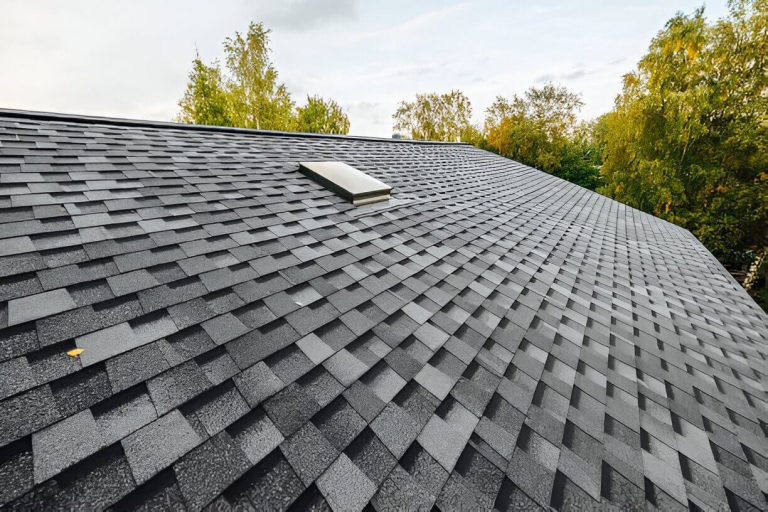
Asphalt shingles are among the most popular roofing materials due to their affordability and ease of installation.
Pros:
- Cost-Effective: Generally more affordable than other roofing options.
- Versatile Aesthetics: Available in various colors and styles to suit different architectural designs.
- Ease of Installation: Simplifies the installation process, potentially reducing labor costs.
Cons:
- Limited Lifespan: Typically lasts 20-30 years, shorter than some alternatives.
- Environmental Concerns: Often not recyclable, contributing to landfill waste.
- Susceptibility to Weather Damage: May be prone to damage from high winds or severe weather conditions.
2. Metal Roofing
Metal roofing is known for its durability and energy efficiency.
Pros:
- Longevity: Can last 50 years or more with proper maintenance.
- Energy Efficiency: Reflects solar heat, reducing cooling costs.
- Durability: Resistant to fire, mildew, insects, and rot.
Cons:
- Higher Initial Cost: More expensive upfront compared to materials like asphalt shingles.
- Noise: Can be noisier during rain or hail unless additional insulation is installed.
- Expansion and Contraction: Panels may expand and contract, potentially causing fasteners to loosen over time.
3. TPO Roofing
Thermoplastic Olefin (TPO) roofing is a single-ply membrane commonly used in commercial applications.
Pros:
- Cost-Effective: Generally more affordable than other commercial roofing options.
- Energy Efficiency: Reflects UV radiation, aiding in temperature regulation.
- Ease of Installation: Lightweight and flexible, simplifying the installation process.
Cons:
- Variable Quality: Differences in manufacturing can affect material quality.
- Longevity Concerns: May have a shorter lifespan compared to materials like PVC.
- Repair Complexity: Repairs can be challenging and may require professional attention.
4. Slate Roofing
Slate is a natural stone known for its beauty and durability.
Pros:
- Exceptional Longevity: Can last over a century with proper care.
- Aesthetic Appeal: Offers a distinctive and elegant appearance.
- Fire Resistance: Naturally fire-resistant material.
Cons:
- High Cost: One of the most expensive roofing materials.
- Heavy Weight: Requires additional structural support due to its weight.
- Complex Installation: Requires skilled labor for proper installation.
5. Wood Shingles and Shakes
Wood roofing provides a natural and rustic look.
Pros:
- Aesthetic Appeal: Offers a classic and timeless appearance.
- Insulation Properties: Provides natural insulation, aiding in energy efficiency.
Cons:
- Maintenance Requirements: Requires regular maintenance to prevent mold, rot, and insect infestation.
- Fire Risk: Unless treated, wood roofing is susceptible to fire.
- Cost: Generally more expensive than asphalt shingles.
6. Clay and Concrete Tiles
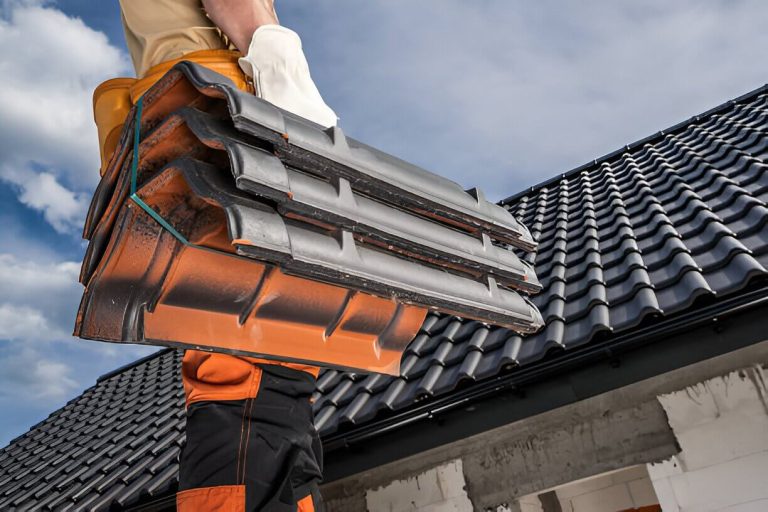
These materials are popular for their durability and distinctive appearance.
Pros:
- Durability: Resistant to fire and can withstand harsh weather conditions.
- Longevity: Can last 50 years or more.
- Energy Efficiency: Provides natural insulation, reducing energy costs.
Cons:
- Weight: Heavy materials that may require additional structural support.
- Cost: Higher initial investment compared to some other materials.
- Brittleness: Can break if walked on, necessitating careful maintenance.
Making the Right Choice
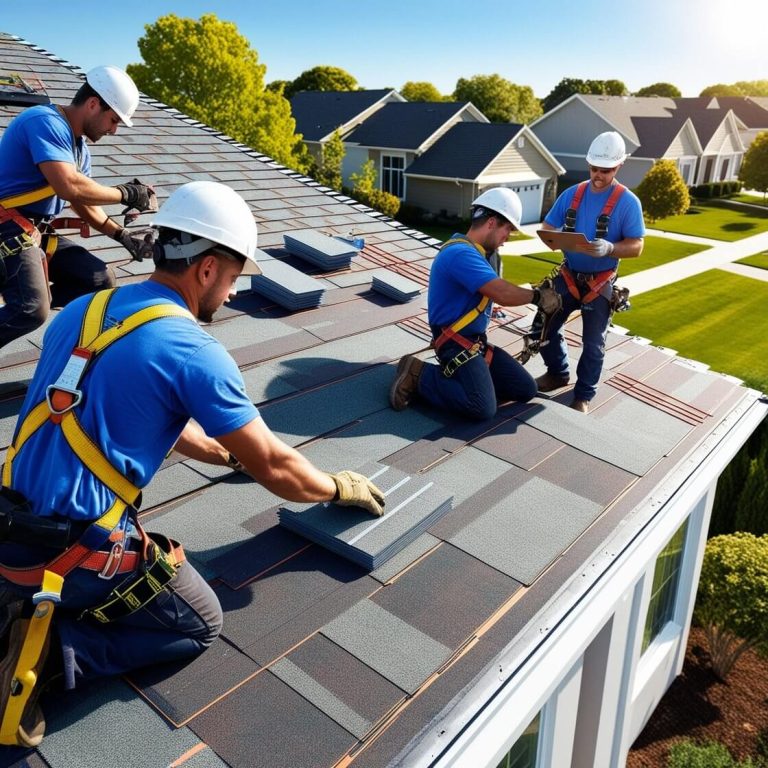
Selecting the right roofing material involves balancing aesthetics, performance, and budget. Consulting with a professional roofing contractor can help determine the best material for your specific needs. For expert advice and installation, contact Right Now Roofing today.
For homeowners interested in financing options, visit our Roof Financing page to explore payment plans that fit your budget. Need a cost estimate? Use our Roofing Cost Calculator to plan your next roofing project.
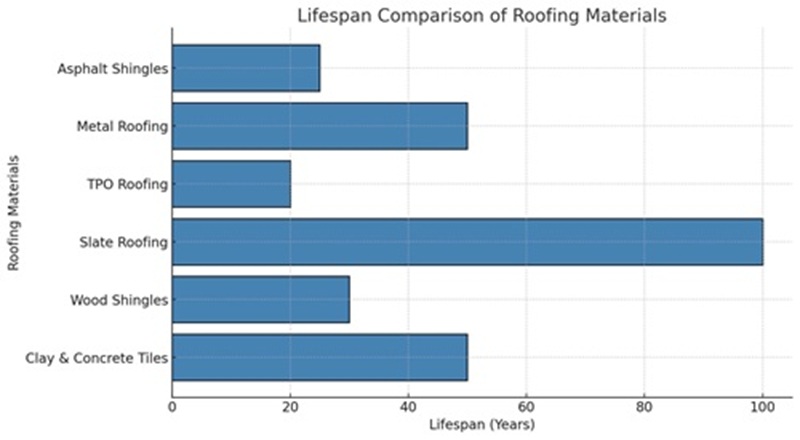
Lifespan Comparison of Roofing Materials
This bar chart visually represents the lifespan of various roofing materials discussed in the blog post, helping homeowners understand the long-term durability of each option. Slate roofing stands out as the most durable, lasting up to 100 years, making it a premium but costly investment. Metal roofing and clay/concrete tiles offer excellent longevity of 50 years or more, balancing durability with affordability. Wood shingles provide a natural look with a moderate lifespan of 30 years, while asphalt shingles, the most commonly used material, last around 25 years. TPO roofing, primarily used in commercial applications, has a shorter lifespan of 20 years but remains cost-effective.
This comparison highlights the importance of selecting a roofing material that fits your budget, maintenance capacity, and long-term needs. For professional guidance on choosing the right roof, consult Right Now Roofing.
Conclusion
Choosing the right roofing material is a critical decision that affects your home’s longevity, energy efficiency, and aesthetic appeal. Understanding the benefits and drawbacks of each option allows you to make an informed choice. Whether you’re considering asphalt shingles, metal roofing, or slate, Right Now Roofing is here to help with expert guidance and professional installation.
For more information or to get started, request a free quote on our Request a Quote page or check out our customer reviews on our Testimonials page.